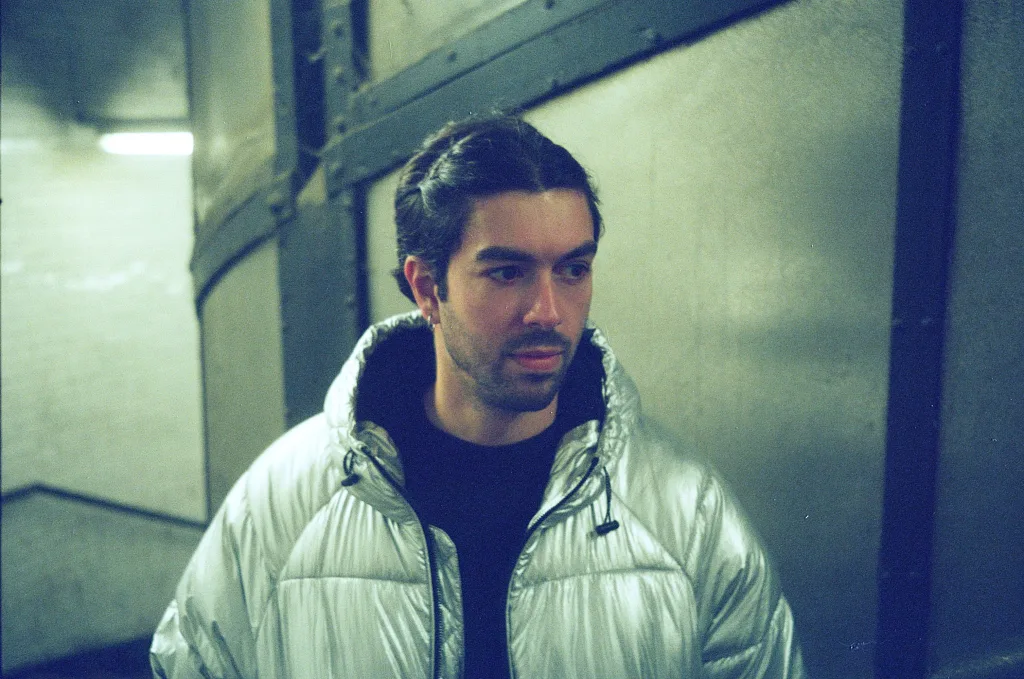
Image Credits: Michal Sobkiewicz
When we talk about multifaceted approaches to sound, there aren’t many who embody this concept as well as Italian-born Mariano Sibilia, aka Yraki. Music producer, DJ, sound artist, and researcher, Yraki approaches sound from a heightened sensory perspective, resulting in some of the most well-mixed and audibly pleasing listening experiences around.
Sibilia’s affinity for sound and composition is rooted in his ability to perceive sound in ‘visual and spatial ways’, aka synaesthesia. This gift, coupled with his academic approach to sound design, has allowed Yraki to create music with incredible depth, detail, and clarity.
His latest release, ‘Tendrils’, continues this theme of high-quality intelligent techno. It’s the first EP from London-based label Goodness, and captures Yraki’s penchant for vivid worldbuilding and texture-focused electronic music.
In our interview, Sibilia shares his origins, his experiences with synaesthesia, Tendrils, and more.
Talk to us about your origins. How did you encounter electronic music?
I first came across electronic music through breakdancing. My teacher, who was also making beats on the side, introduced me to it. I was fascinated by the idea that you could produce music at home on a computer. He even lent me the installer of Reason on CD, and that’s how I started experimenting. From there, I moved from hip-hop and breakbeats into techno and house, eventually becoming more serious about my studies. I went on to a music conservatoire where I focused on electroacoustic music. That shift really opened things up for me, moving from DAW-based club production into musique concrète and more experimental, academic approaches. It completely changed how I think about sound and composition.
I read somewhere that you have synaesthesia. When did you realise you had this and how has this shaped your connection between music/visuals?
I didn’t really have a word for it at first, it was just how I experienced things. I started realising it wasn’t universal when I would describe sounds in visual or spatial ways and people couldn’t quite relate. Over time, I understood it as synaesthesia. It definitely shapes how I work. Sound isn’t just something I hear, it has form, colour, and movement. That naturally feeds into composition, especially when thinking about depth, contrast, or tension. It makes the idea of connecting music to visuals feel intuitive rather than conceptual.
Can you tell us the story of how this record came to be?
The record came together over quite an extended period. Unravel:Expose in particular started in 2017 and was only properly finished a week before the record was confirmed. The overall idea was to sit somewhere between instinct and structure, keeping things tactile and detailed, but letting forms emerge that could still work in a more physical, shared context. A lot of it was iterative: building, breaking, and reworking ideas over time. Some elements came from very controlled processes, while others were more accidental moments that I chose to keep and develop.
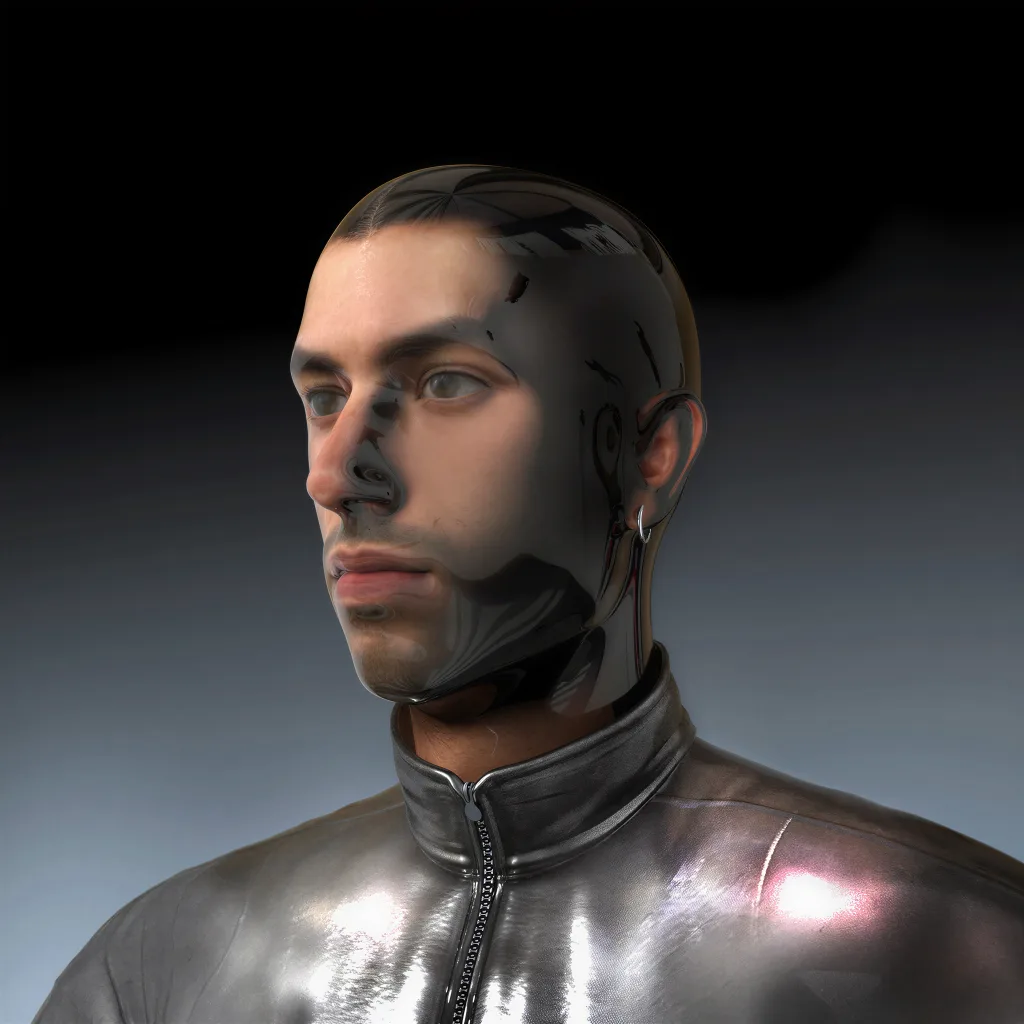
Tendrils is your attempt to work with club structures without losing your instinct for texture and detail. Do you find this is something that is common with your club experiences? A lack of texture, detail, and emotion in the club.
I wouldn’t frame it as a “lack” necessarily; there is undoubtedly incredible, detailed music being played in clubs. However, the environment itself tends to prioritise things like groove, energy, continuity, and physical impact. Subtler details can sometimes get lost in that context. With Tendrils, I was interested in seeing how far I could push detail and nuance while still engaging with those structures. It’s less about critique and more about exploring that tension, what translates, what doesn’t, and what new spaces open up in between.
You have a mind for multidisciplinary practices. Do you have any plans to develop this project into alternative formats i.e. audio-visual shows, etc.?
Yes, definitely. The project already exists in a way that feels quite visual and spatial to me, so extending it into an audio-visual format feels like a natural progression rather than an “add-on.” I’ve been very interested in creating environments rather than just performances, immersive spaces where sound, light, and form all speak the same language. It’s something I’m currently exploring, but I want to approach it carefully to ensure it stays coherent with the core of the project.
You are a vastly technical music producer in your own right. How did you approach the creation process for this project? Did you do anything differently?
Technically, it’s pretty much the same approach I use every time. I work in Ableton, with a mix of custom tools and a few happy accidents along the way. I tend to work on multiple tracks quite quickly, sketch ideas fast, move on, and get them to a point where they feel maybe 50% there. Then I leave everything for a week or two. After that, I go back to the folder and listen with fresh ears, seeing what still resonates and what doesn’t. Then I finish what clicks, and often delete or just keep fragments from what doesn’t. I don’t like to stay too attached if something isn’t working for me anymore. I see that filtering process as part of the creative work itself. With this project specifically, I also appreciated the curatorial side with the Goodness team. I was sending sketches regularly over a period, getting feedback, and they helped shape the selection. I really liked that collaborative, editorial approach to building the recor