

Images: Margot Lavigne // Juliette Viole
Festival season is fully underway, when many of us, or someone we know, will disappear across Europe to come back with awe on our faces, an inability to describe the full experience and very little photos to show for it. In an industry increasingly concerned with visibility, there are a number of collectives focusing on a more sustainable, Less is more, approach. One that embodies this approach and has caught our attention is the elusive NoName’s La Nature Festival, returning to the forests of the Baraque de Fraiture from 18 to 22 June 2026 for its seventh edition.
This year marks NoNames’ sixteenth year, the non-profit collective behind the festival. Known for its emphasis on curation, community and immersive experiences over traditional festival conventions, founder Julien Baratto shared more about the thinking behind La Nature and the philosophy that continues to draw people back year after year.
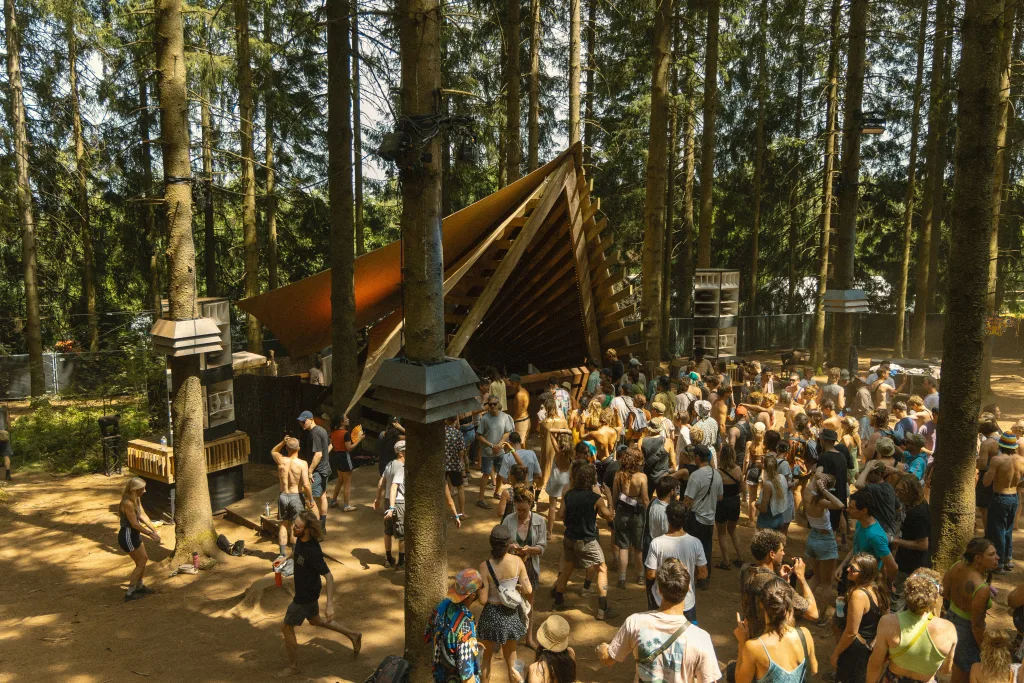
At SNC Mag, we focus on the people shaping cultural spaces behind the scenes; curators, installation artists, collectives, community organisers and the teams that help create an experience rather than simply perform within it. La Nature places a lot of focus on the labels, collectives and curatorial voices involved rather than providing a traditional artist lineup. What is the intention behind that decision, and what influence do you hope this has on the people’s experience?
We started from a frustration with how festival lineups work. When you announce artists, you’re essentially telling people what to expect and how to rank what they’re about to experience. We wanted to create different entry points, through curatorial voices, through labels, through collectives that carry aesthetic coherence and community ties. It shifts the question from “who’s playing?” to “who’s shaping the sound of this edition and why?” It also creates more honest accountability. The people we invite are not just performing; they’re co-responsible for the atmosphere. That changes the dynamic on stage and off it.
Many festivals reveal almost every aspect of the experience before attendees even arrive, from stage designs and lineups to detailed schedules and site walkthroughs. La Nature seems to leave much more room for discovery. Why is it important to preserve that sense of the unknown?
It’s partly pragmatic and partly a genuine conviction. We’ve noticed that the more you pre-explain an experience, the less available people are to actually have it. The unknown generates a particular quality of attention. People arrive with less of a script. They wander, they discover things sideways. That accidental quality is very hard to engineer and very easy to destroy. We protect it by withholding quite a bit.
There’s also something we resist about the arms race of festival content marketing, the teaser reels, the stage reveals, the countdown posts. It doesn’t match the tempo we want to set. If people need that level of reassurance before they commit, we’re probably not the right fit for them.
Your manifesto talks about creating a “sensitive state” rather than building each edition around a theme. How does a philosophy impact the way you programme and design the festival?
Themes feel like assignments. You announce “metamorphosis” and suddenly every artist is illustrating the same metaphor. It collapses possibility. A sensitive state is something more like a shared disposition, attentiveness, slowness, openness to the non-linear. We try to transmit that orientation to everyone contributing to the festival: visual artists, sound engineers, the people running the bar, the volunteers briefed on how to welcome people. It’s less legible from the outside, but more lived from the inside.
In programming terms, it means we ask different questions. Not “does this fit the theme?” but “does this belong here, in this place, alongside these other things?” Coherence without uniformity.
Visitors are encouraged to move through environments, installations and listening spaces rather than stay in front of stages or focus on headliners. How much consideration is put into creating a sense of movement, and how do the wider group of contributors shape the atmosphere?
A lot of this happens in the site layout itself. How far apart are the stages? What’s between them? Where are the quiet zones, and are they actually quiet? We think about pathways as much as destinations. There’s also an ongoing conversation with the contributing artists and installation makers about what draws people in versus what encourages them to keep moving.
We don’t have a fixed formula. Each contributor brings something, and we try to build a site where those things are in conversation rather than competition. The atmosphere is genuinely collective work, the team, the artists, the technical crews, the people running harm reduction, the kitchen. It doesn’t belong to any one of us.
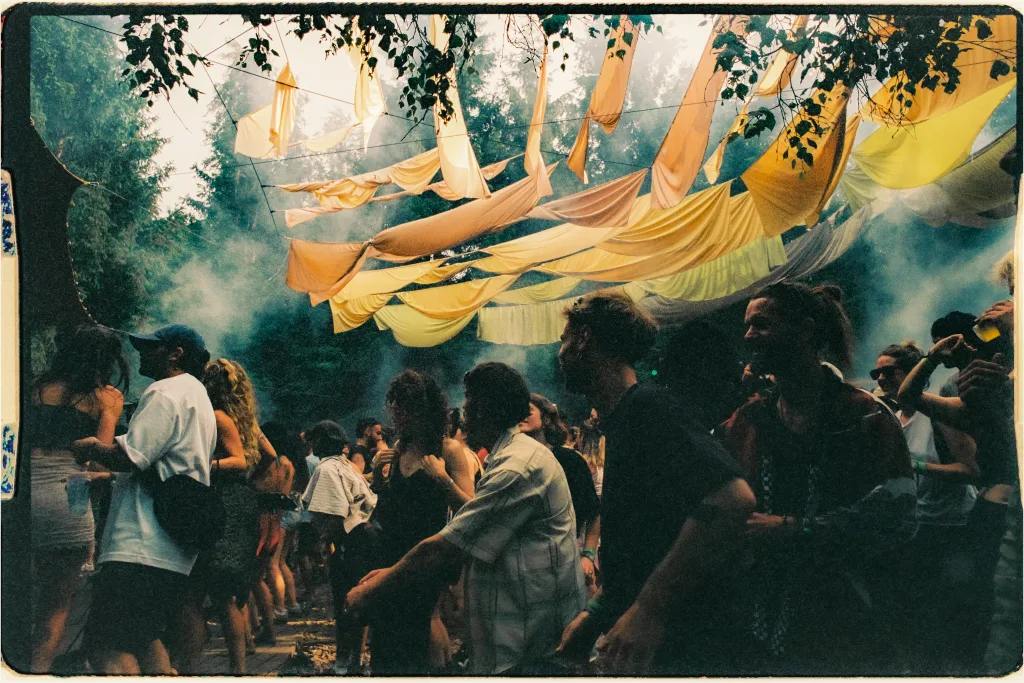
People travel across Europe for festivals like La Nature. Beyond the music, what do you think they’re really searching for when they make that journey?
Connection, I think, in a fairly fundamental sense. Connection to other people, but also to a version of themselves that gets harder to access in daily life. There’s something about leaving your regular context and spending several days in a forest, with limited phone signal, with a community that shares at least some of your values, it creates conditions for things to surface. People come back different in small ways. That matters to us more than the music, honestly.
Care, safety and harm reduction are presented as core parts of La Nature rather than additional services. Why has it been important to build those elements into the festival from the outset?
Because we’ve been building this community for sixteen years and we feel responsible for it. These aren’t add-ons we installed after something went wrong. They reflect a basic commitment: if you come to La Nature, we’re accountable to your experience in a real way, not just a legal one.
Harm reduction specifically comes from a refusal to pretend people don’t consume at festivals. The honest position is to create conditions where that happens more safely and with access to support. Ignoring it doesn’t make it disappear. Moralising about it doesn’t help anyone. So, we decided early on to be practical about it, and to do it with care rather than suspicion.
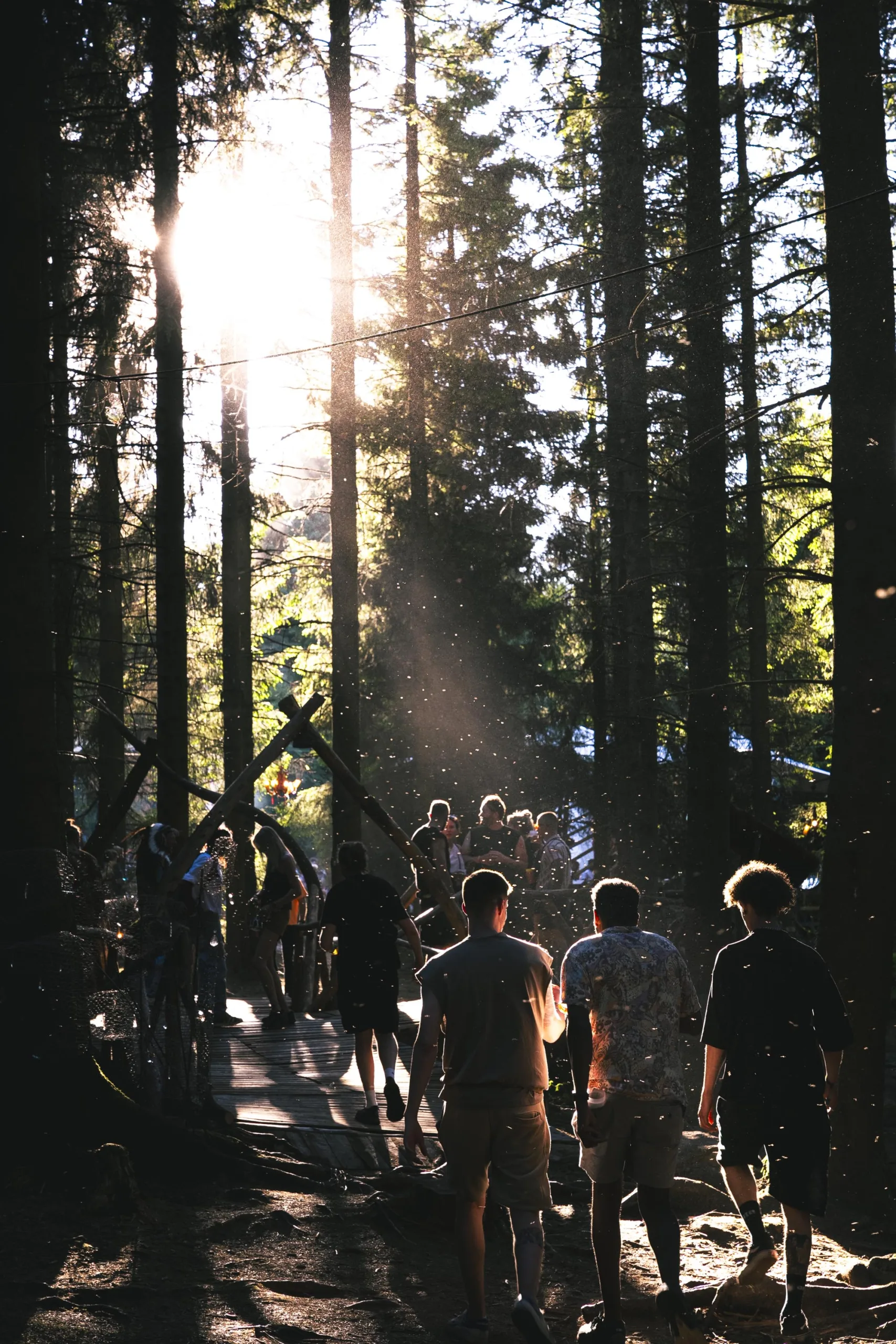
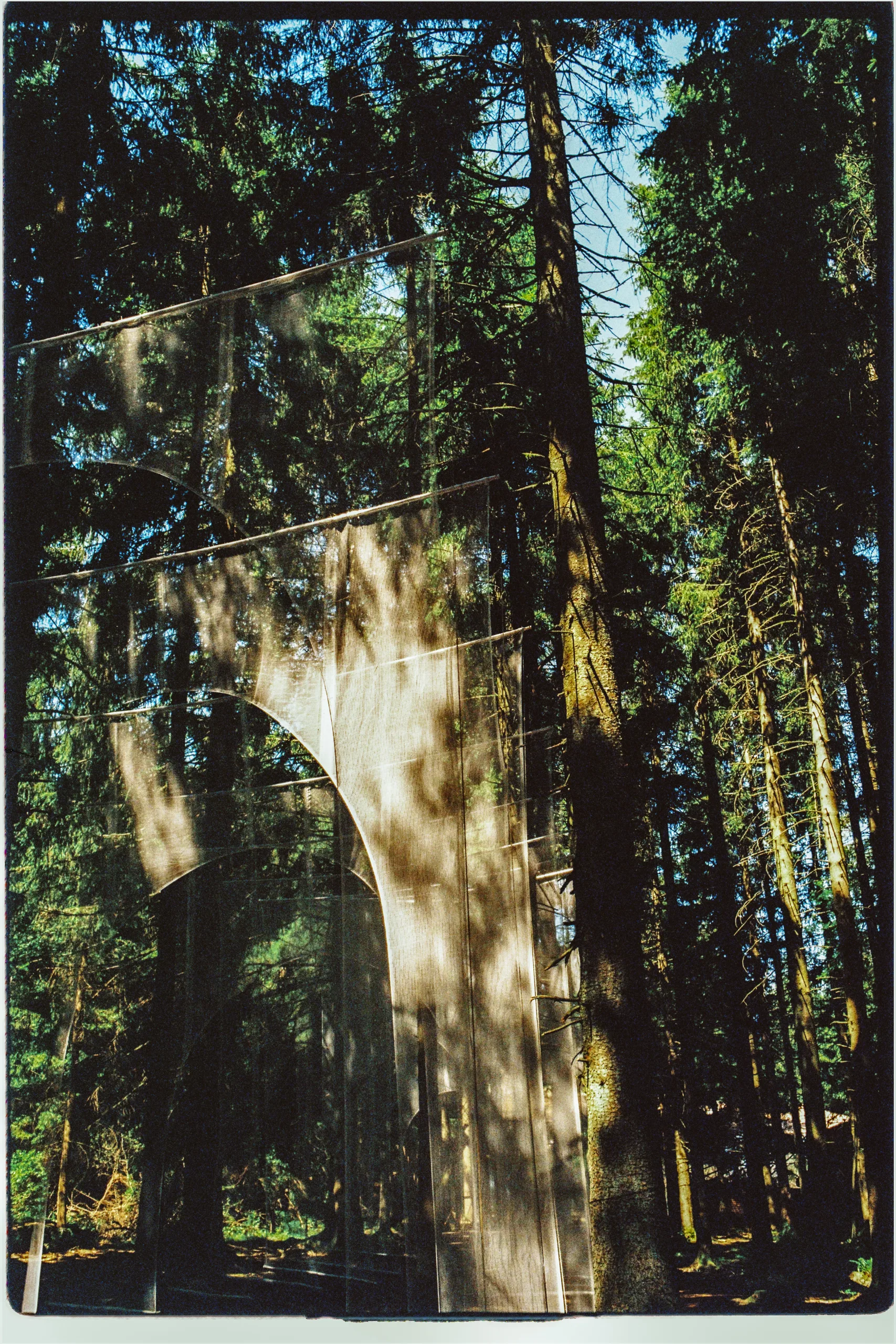
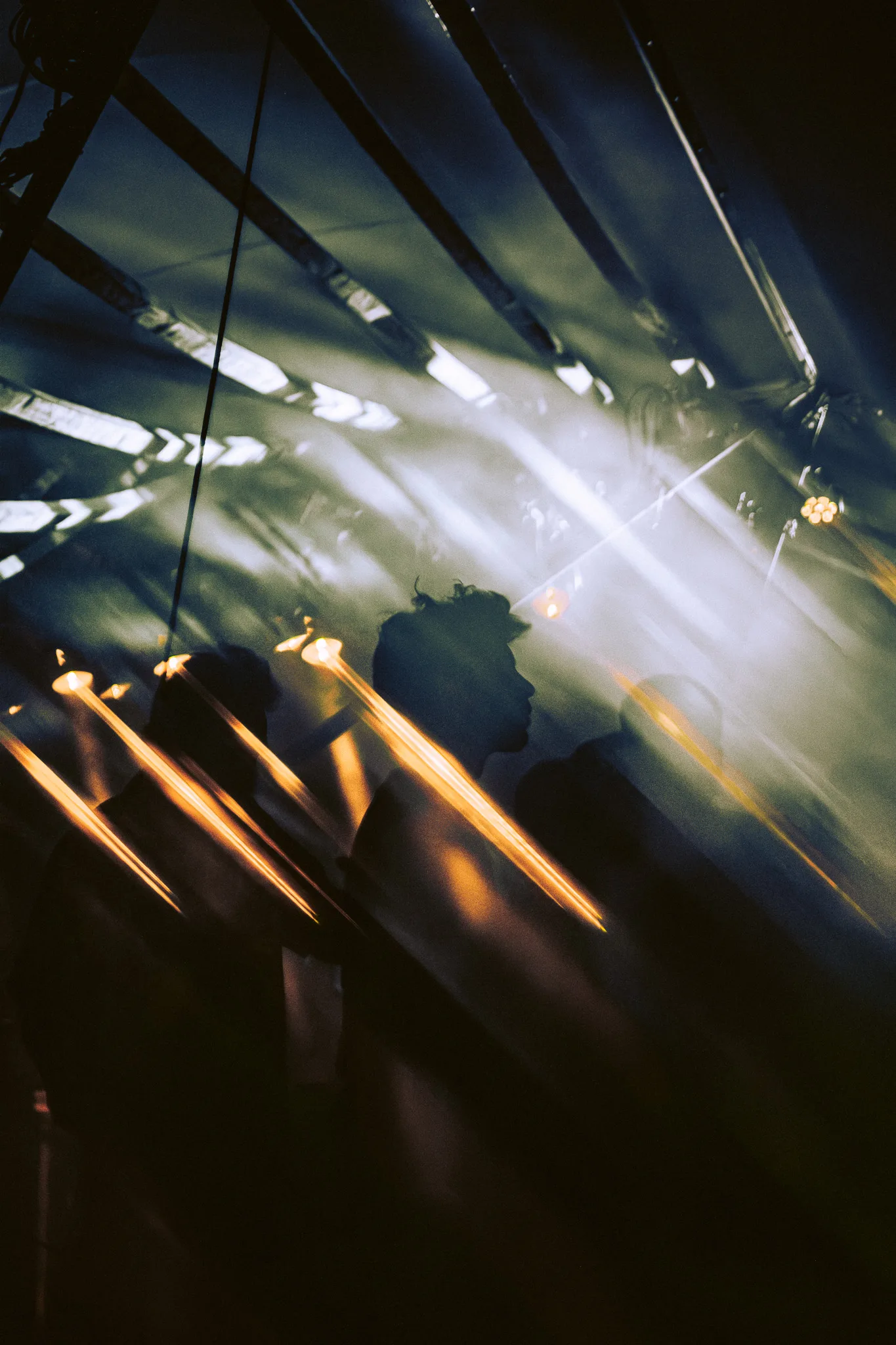
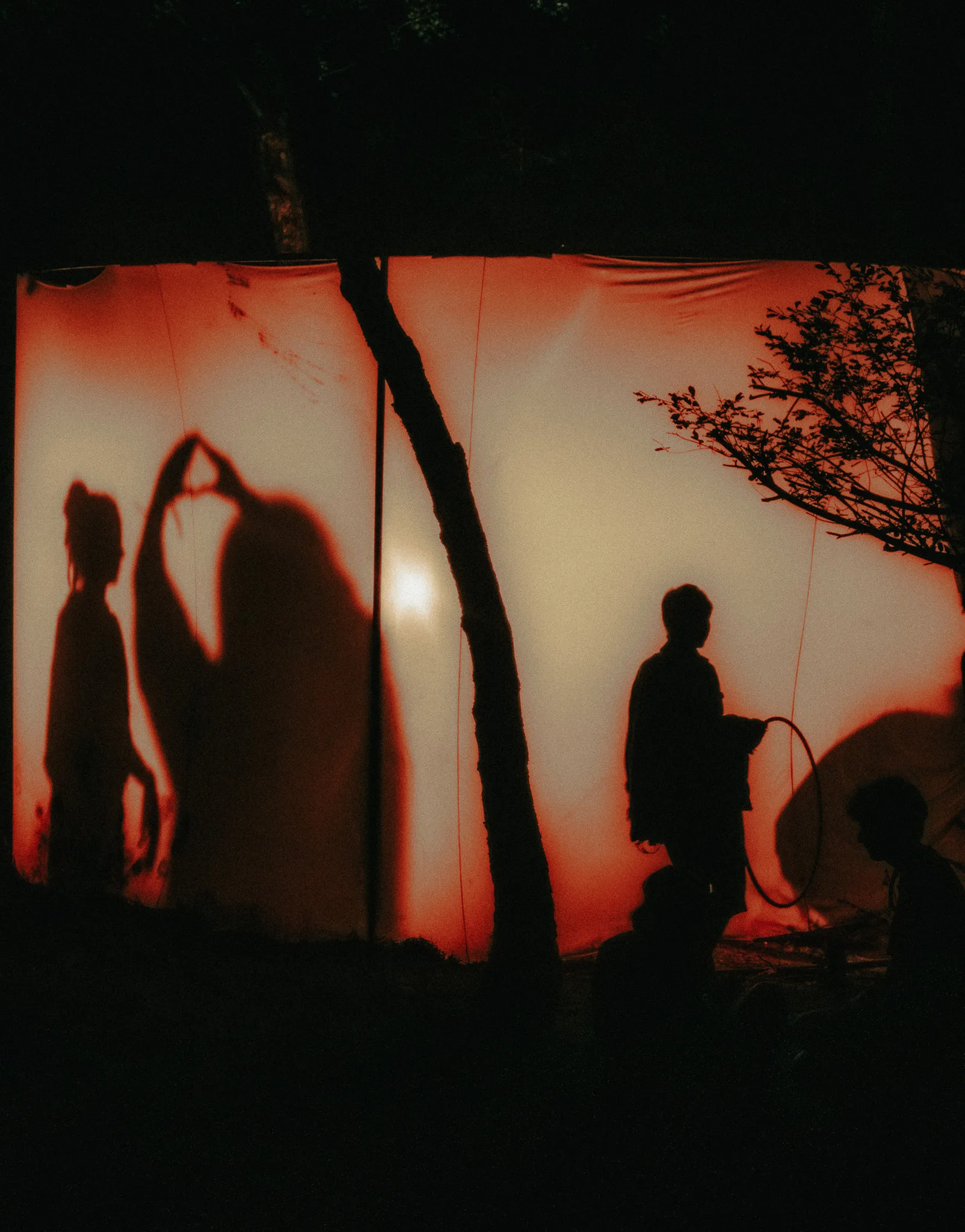
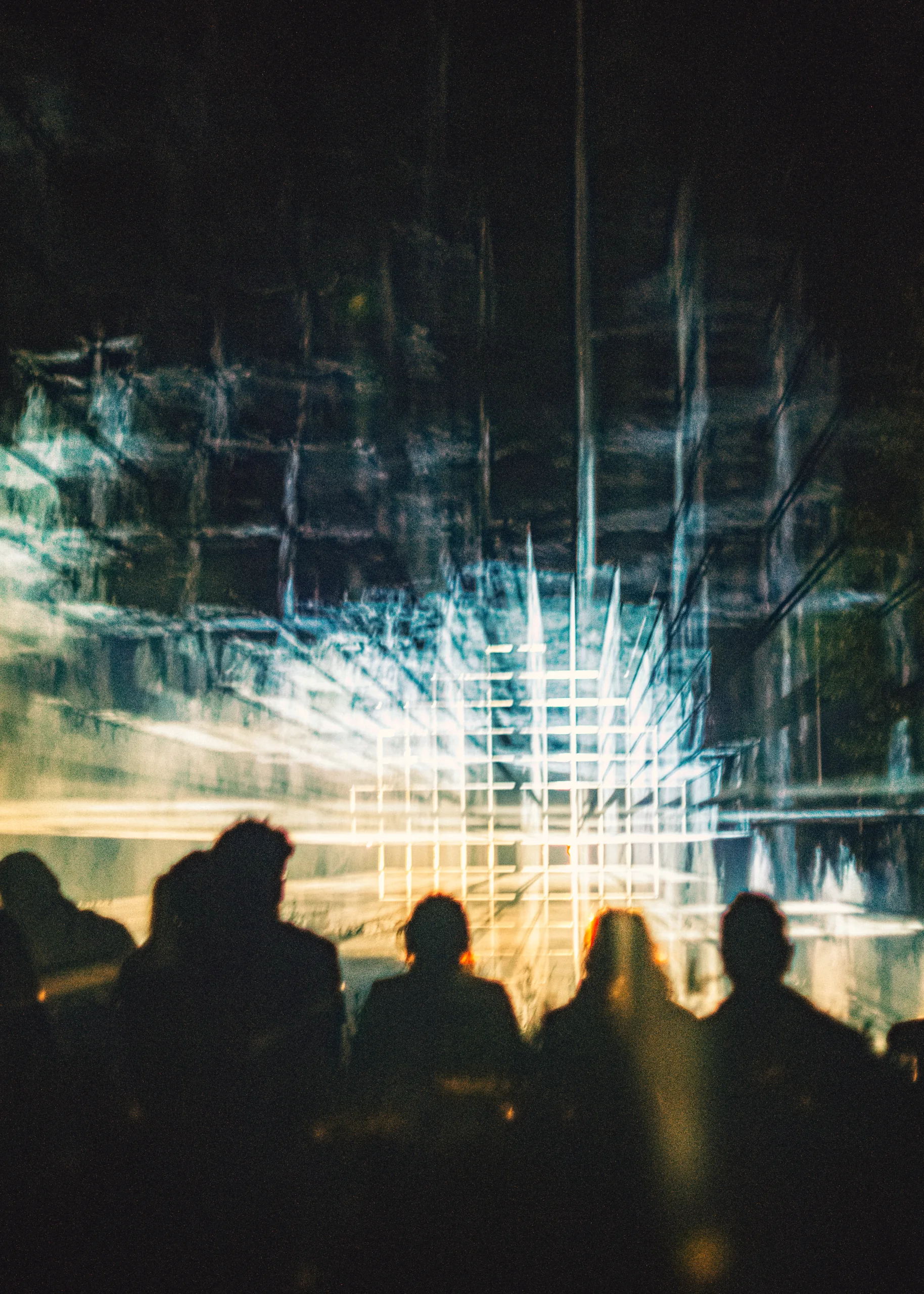
Across sixteen years of No Name and many projects you’ve developed during that time, what have learnt about building sustainable non-profit projects with a strong community ethos? And do you think experiences like La Nature are becoming more important today?
The main thing we’ve learned is that the community is the project. The festival is an expression of something that exists year-round, a network of people who trust each other, share values, contribute differently at different moments.
Non-profit structure helps because it keeps the question of purpose visible.
As for whether these experiences are becoming more important, yes, probably. People want to be somewhere, fully, with other people, for a few days. That’s not new, but the hunger for it feels more acute. Whether we’re the right answer for everyone is a different question. We’re right for some people, and we try to stay honest about that.
Without giving too much away, what are you most excited for people to discover this year?
Honestly, the work of the people who built this edition. There’s a tendency in festival coverage to focus on the lineup, the headliners, the big visual moments. But what moves me most is the accumulated effort of a team that has been working on this for months, building structures, designing spaces, writing briefings, coordinating logistics down to the smallest detail, and doing it with a level of care that goes well beyond what the job description asks.
The people who will arrive on Thursday or Friday have no idea what it took to make the site what it is. The installations that appear effortless took weeks of problem-solving. The quality of sound in each space reflects hundreds of decisions made quietly, without fanfare. The warmth of the welcome, the way volunteers understand what the festival is trying to do and transmit it in how they interact with people — that comes from a culture that’s been built slowly and collectively.
So, if I’m excited about anything, it’s for people to feel that. Not to attribute it to anyone in particular, but to sense that they’re in a place where someone cared. Many people, actually. That quality of attention is what we’re trying to create and protect, edition after edition. It’s the hardest thing to communicate in advance and the most immediate thing to feel when you arrive.